Blueprints for Britain’s hydrogen grid begin in Teesside and Humber
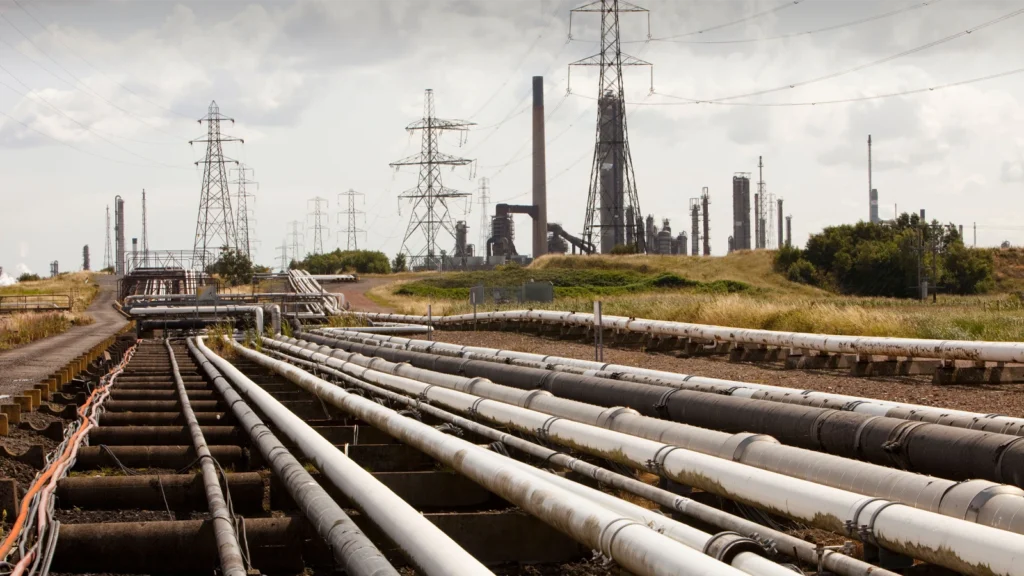
Design work is now underway on what will become a British national hydrogen transmission network, with engineering firm WSP appointed to lead the design of a new pipeline connecting Teesside and the Humber – the starting point for a planned 1,500-mile hydrogen grid.
The East Coast pipeline is the first phase of Project Union, National Gas’s long-term vision to repurpose large sections of Britain’s gas transmission network for hydrogen.
Connecting hydrogen supply with industrial demand
Once built, it will move low-carbon hydrogen from where it’s produced – on the coasts and in industrial clusters – to where it’s needed most: in power stations, factories and storage sites across the country.
Work has commenced on a two-year Front-End Engineering Design (FEED) programme, backed by Ofgem funding and led by WSP with support from Kent, Aecom, Murphy and National Gas’s in-house hydrogen teams.
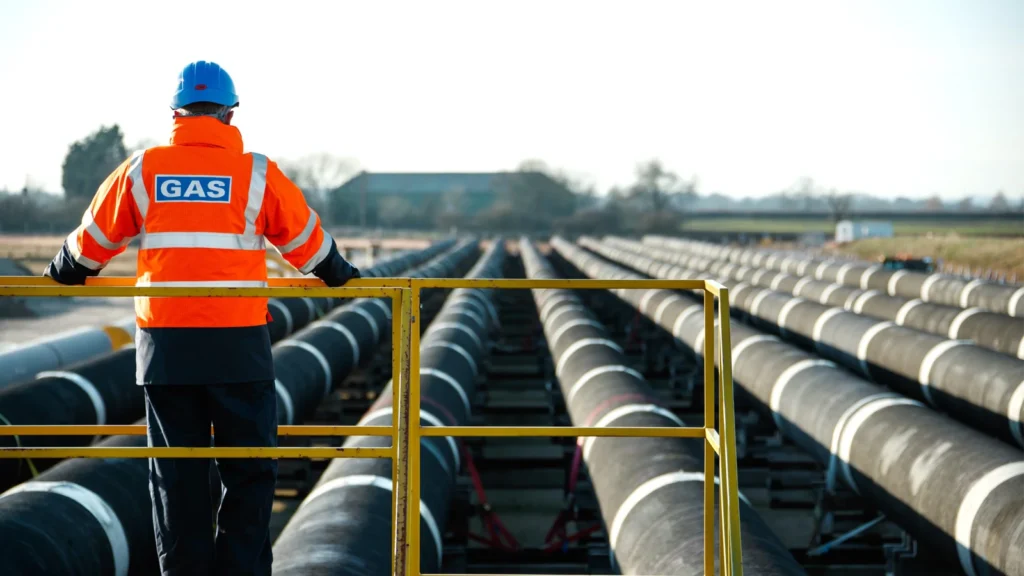
The FEED phase will cover detailed route planning, environmental assessments, permitting and public consultation – forming the technical and regulatory foundation for delivery.
“We’re not just planning pipelines – we’re building a cleaner, more resilient energy system,” said Ian Radley, Chief Commercial Officer at National Gas. “The start of FEED for Project Union East Coast marks the transition toward delivery for this pioneering project.”
Building out from Britain’s industrial heartlands
The East Coast leg will link two of the UK’s leading hydrogen production and industrial decarbonisation hubs – Teesside and the Humber – both designated as ‘Track-1’ clusters under the UK government’s low-carbon infrastructure plans.

It is expected to become one of the first operational links in a future backbone capable of transporting hydrogen nationwide.
The broader goal is to build out from these early links to create a core transmission network, unlocking industrial-scale demand and enabling storage, dispatchable power, and even hydrogen imports via ports and interconnectors.
Delivering technical foundations for future scale
Ben Clarke, Project Director at WSP, said the early design stage would set the tone for delivery across the entire network: “Delivering the FEED for the East Coast phase means shaping a future hydrogen network, and that calls for early collaboration, technical excellence, and deep-rooted partnerships.”
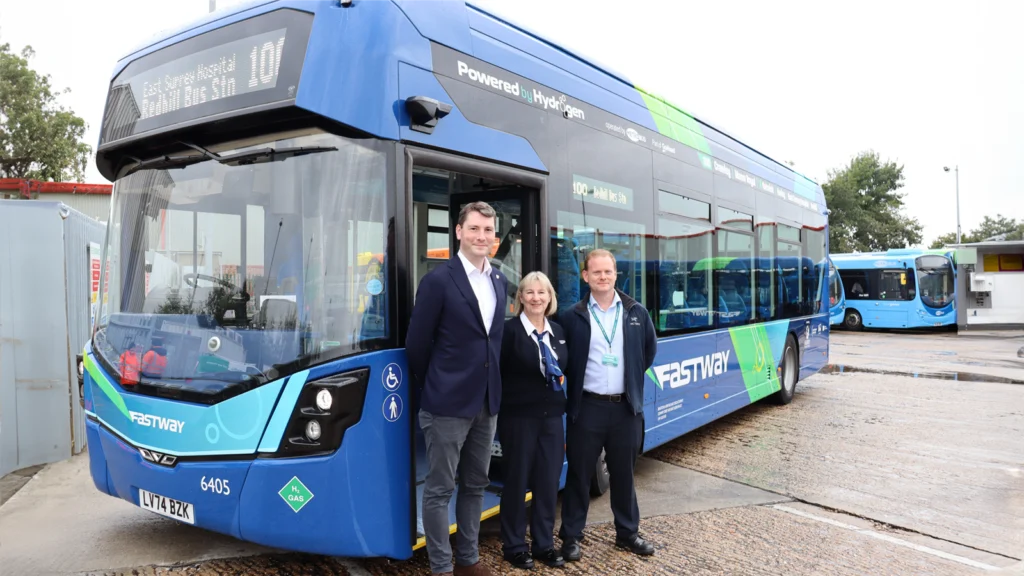
The East Coast FEED work is part of the wider East Coast Hydrogen programme – a joint effort by National Gas, Cadent and Northern Gas Networks to build out regional hydrogen infrastructure across the North East, Yorkshire and the East Midlands.
The project recently secured £96 million in funding from Ofgem at 2025/26 prices.
Repurposing Britain’s gas network for the hydrogen era
While many of the pipelines will be repurposed from the existing National Transmission System, others will be newly built – combining existing assets with new infrastructure to support the UK’s shift from fossil gas to clean hydrogen.
Once operational, Project Union is expected to provide physical connectivity between hydrogen producers, energy users, and storage facilities – enabling a system-wide transition that supports industry, protects skilled jobs, and strengthens UK energy security.