Behind the scenes: Refuelling Alpine’s hydrogen car at Goodwood
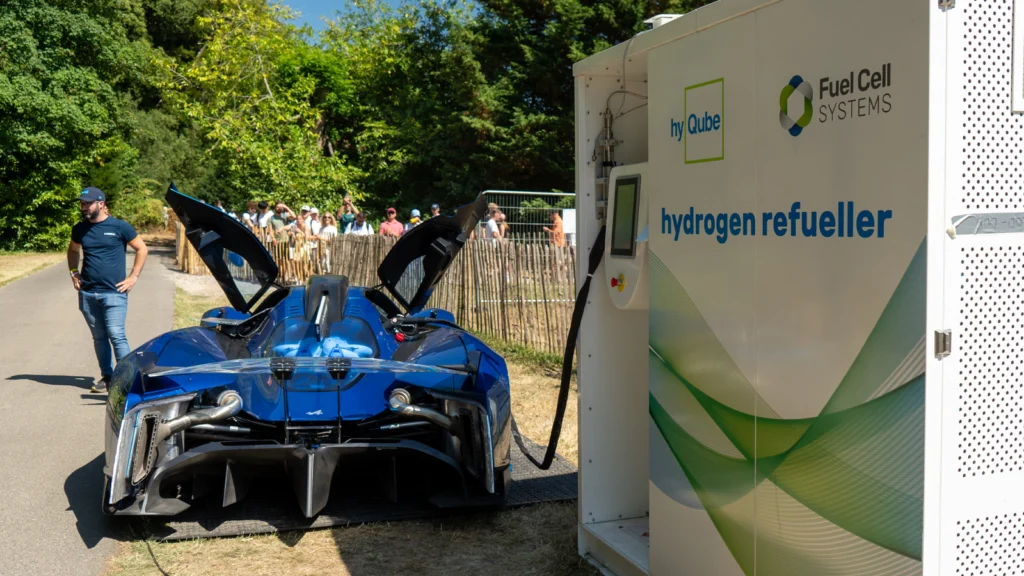
Tucked away from the roaring crowds, right by the startline of the iconic Hillclimb, sits a HyQube mobile hydrogen refuelling station.
While spectators crane their necks for a glimpse of V12s and aero, the real action – for a handful of engineers – is a little more discreet.
Heat, no shade, and a hydrogen prototype
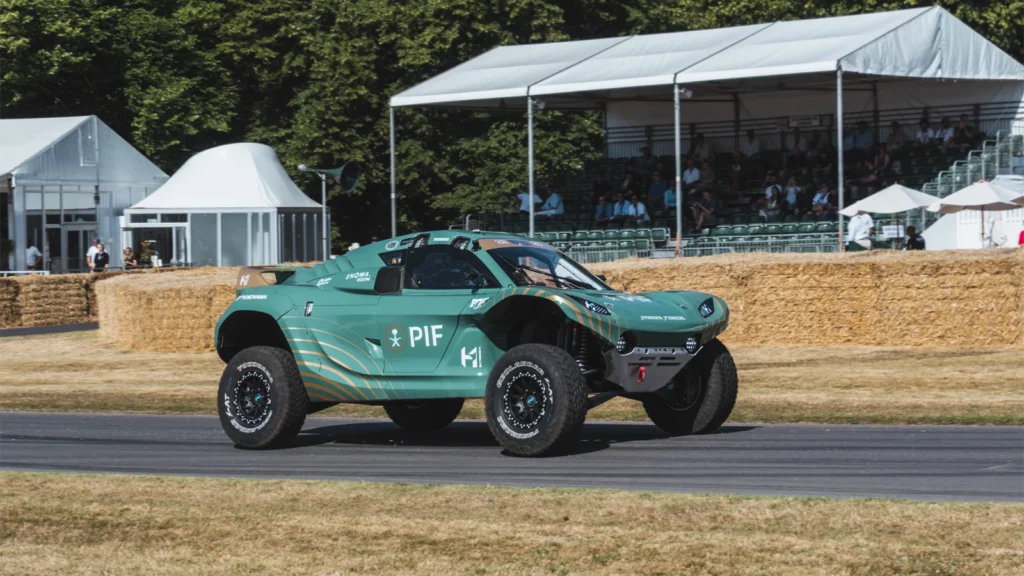
It’s a sweltering day at Goodwood Festival of Speed this year – around 30 degrees with no shade – and a team of engineers push the new Alpenglow Hy6 hydrogen prototype towards the refuelling station.
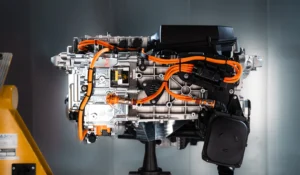
The Alpenglow is powered by a 3.5-litre V6 hydrogen engine and is one of four hydrogen cars on show this year. It stores 2.1kg of hydrogen gas in each of its three fuel tanks and produces 740hp at 7600rpm.

A mobile station with serious pressure
The HyQube 850 supplies hydrogen at pressures up to 750 bar – enough to top off the Alpenglow’s 700 bar system.
It runs automatically with a touch screen interface, showing pressure and temperature values in real time.
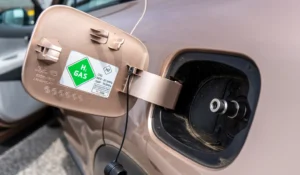
As the Alpine rolls into position, Chris O’Neill, Head of Operations at Fuel Cell Systems – the hydrogen refuelling provider for the prototype – pulls the nozzle off the mobile refueller, takes it around, unscrews the fuel cap, then attaches the pressure-sealed nozzle to the car.
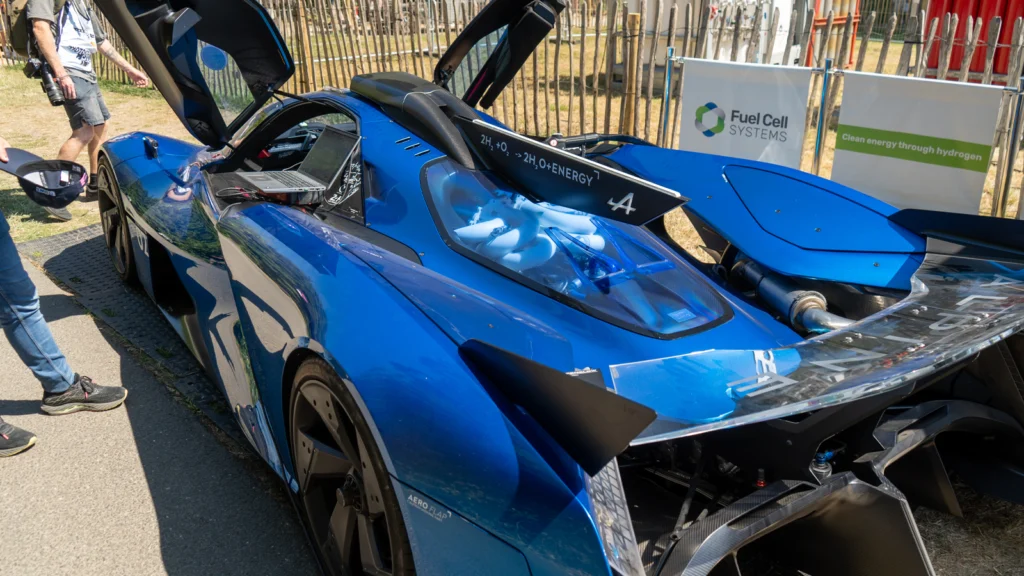
While refuelling a hydrogen car is surprisingly straightforward in principle, several factors must be closely managed to ensure safe and efficient operation – particularly in 30-degree heat.
Why temperature matters
“Will the heat affect the refuelling of the car?” I ask. Chris explains that although no chilling infrastructure was brought to the event, they’re monitoring temperatures closely in real time.
The Alpine team also set up a laptop to monitor the onboard systems, while Fuel Cell Systems do the same on the refueller.
Hydrogen fuel is often chilled to -20 or -40 degrees celsius at refuelling stations to speed up the filling times. Cooling the hydrogen before filling helps avoid excessive pressure buildup and keeps refuelling times low.

The Alpenglow Hy6 takes hydrogen at 700 bar – and compressing that gas creates heat. Chris reassures me it’s nothing dangerous, but they’re deliberately going slow, keeping temperatures to a cautious 65°C – well below the upper limit of 85°C.
Because of the ambient heat, the value of the prototype, and the watchful eyes of the Goodwood safety teams, the usual 5-minute refuelling time is stretched to 25 minutes.
How the refueller thinks
The HyQube refueller operates in pulses: it fires a pilot charge of hydrogen into the tank, then measures the returning pressure to gauge how full it is.
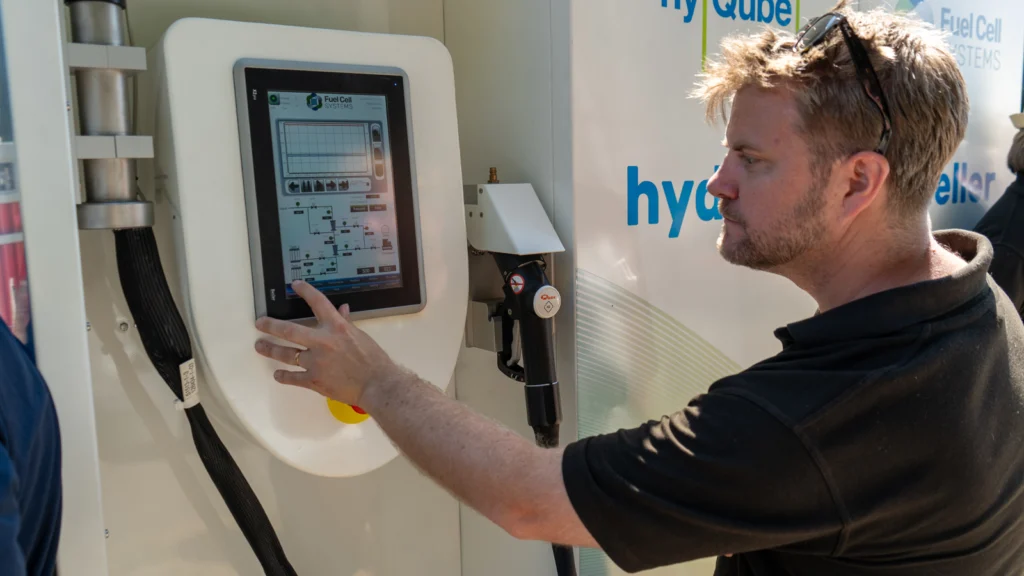
It wants to see a nice linear curve on the pressure monitor. Each cycle adds more gas, waits for pressure to equalise, and checks again – until the tank is full.
Once filled, the Alpenglow is pushed back to the startline. Its vivid Alpine blue paint gleams in the sun – before the hydrogen V6 bursts into life.
Moments later, test driver David Pesch launches it up the Hillclimb, leaving behind a trickle of water vapour and what’s left of its bespoke rear pair of Michelins.