Netherlands commits €2.1 billion to green hydrogen, sets 4% industry mandate
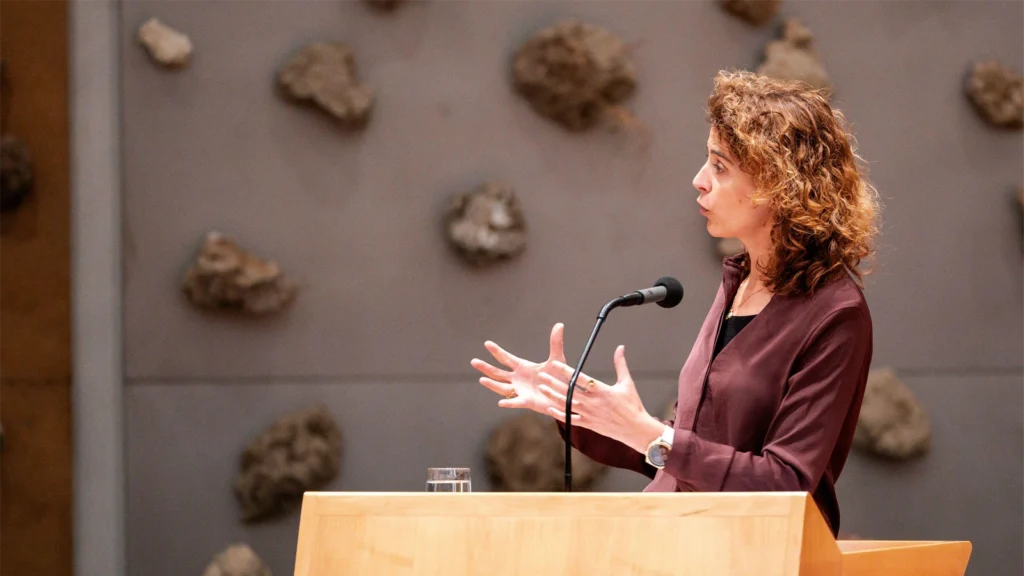
The Dutch government has announced a €2.1 billion support package for green hydrogen production as part of a broader set of climate measures unveiled by Climate Minister Sophie Hermans last week.
Alongside the funding, the Netherlands will introduce a 4% mandate requiring industrial hydrogen users to incorporate renewable hydrogen into their operations.
Forming part of the government’s updated “Green Growth Package”, the move aims to cut national carbon emissions and strengthen energy independence.
However, early analysis suggests that while the measures represent progress, they are unlikely by themselves to ensure the Netherlands meets its 2030 climate targets.
€2.1 billion subsidy for green hydrogen production
According to a letter from Minister Hermans to the Dutch parliament, €2.1 billion will be made available to support green hydrogen production through a competitive subsidy programme.
Funding will be offered for electrolyser projects larger than 0.5MW, with operational support running for five to ten years and capped at €9 per kilogram of hydrogen.
The aim is to bridge the cost gap between green hydrogen and the cheaper grey hydrogen widely used today.
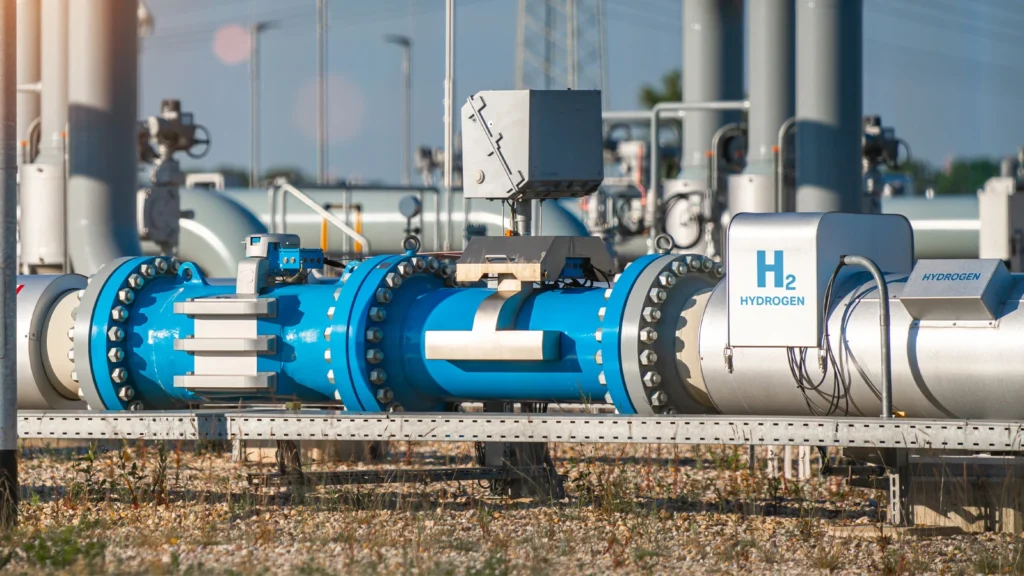
The Netherlands currently consumes around 1.3 million tonnes of grey hydrogen annually, primarily in refining and chemical production.
The government also plans to adjust regulations to encourage the use of green hydrogen in fuel refining, one of the country’s largest industrial hydrogen applications.
New 4% green hydrogen mandate for industry
In addition to financial incentives, a 4% mandate will be introduced for industrial hydrogen users.
Based on current consumption, this would require around 52,000 tonnes of green hydrogen annually.
Minister Hermans described the 4% target as a deliberately cautious starting point, intended to support early market development without placing an excessive burden on industry.
The measure is seen as a first step toward the higher renewable hydrogen use targets set under the European Union’s Renewable Energy Directive, which calls for 42% renewable hydrogen use in industry by 2030 and 60% by 2035.
Climate targets still uncertain
The broader climate package is estimated by the Ministry for Climate and Green Growth to deliver a reduction of around 10 megatonnes of CO₂ emissions by 2030.
Hermans said she believes this would bring the country’s legally binding target – a 55% reduction in emissions compared to 1990 levels – “within reach.”
However, some independent experts remain cautious. The Netherlands Environmental Assessment Agency (PBL) previously warned that, under existing policies, there was only a 5% chance of achieving the 2030 goal.
PBL’s modelling indicated that a reduction of 16 megatonnes would raise the probability to 50%, while 24 megatonnes would be needed for near certainty.
PBL is expected to reassess the government’s updated climate measures later this year.
Industry supportive, environmental groups critical
The Port of Rotterdam welcomed the package, describing it as helpful for advancing industrial sustainability.
Trade association Deltalinqs said the plans contained “good measures” but urged the government to go further by reducing electricity grid fees to support competitiveness with Germany and Belgium.
Some environmental groups were sharply critical, particularly over the reintroduction of the Indirect Cost Compensation (IKC) scheme, which subsidises industrial energy costs linked to the EU Emissions Trading System.
Organisations including Wise, Fossielvrij, Extinction Rebellion, and Oxfam accused the government of undermining climate ambitions by continuing to subsidise fossil fuel consumption.
In a protest action, activists labelled the Ministry for Climate and Green Growth the “Ministry for Fossil and Dirty Growth.”
Hydrogen progress, broader challenges remain
The €2.1 billion investment and the introduction of a green hydrogen mandate represent concrete steps towards building a renewable hydrogen economy in the Netherlands.
However, with experts warning that the overall emissions gap remains wide, the country’s ability to meet its 2030 climate commitments will likely depend on additional action beyond what has been announced so far.